
RAP 300: plasma finishing of large optics
A plasma machine for finishing telescope-size optical surfaces, with the measured result.
Experimental design & set-up · Plasma and surface processes · Delivered work
From machine to measured result: plasma finishing of large optical surfaces.
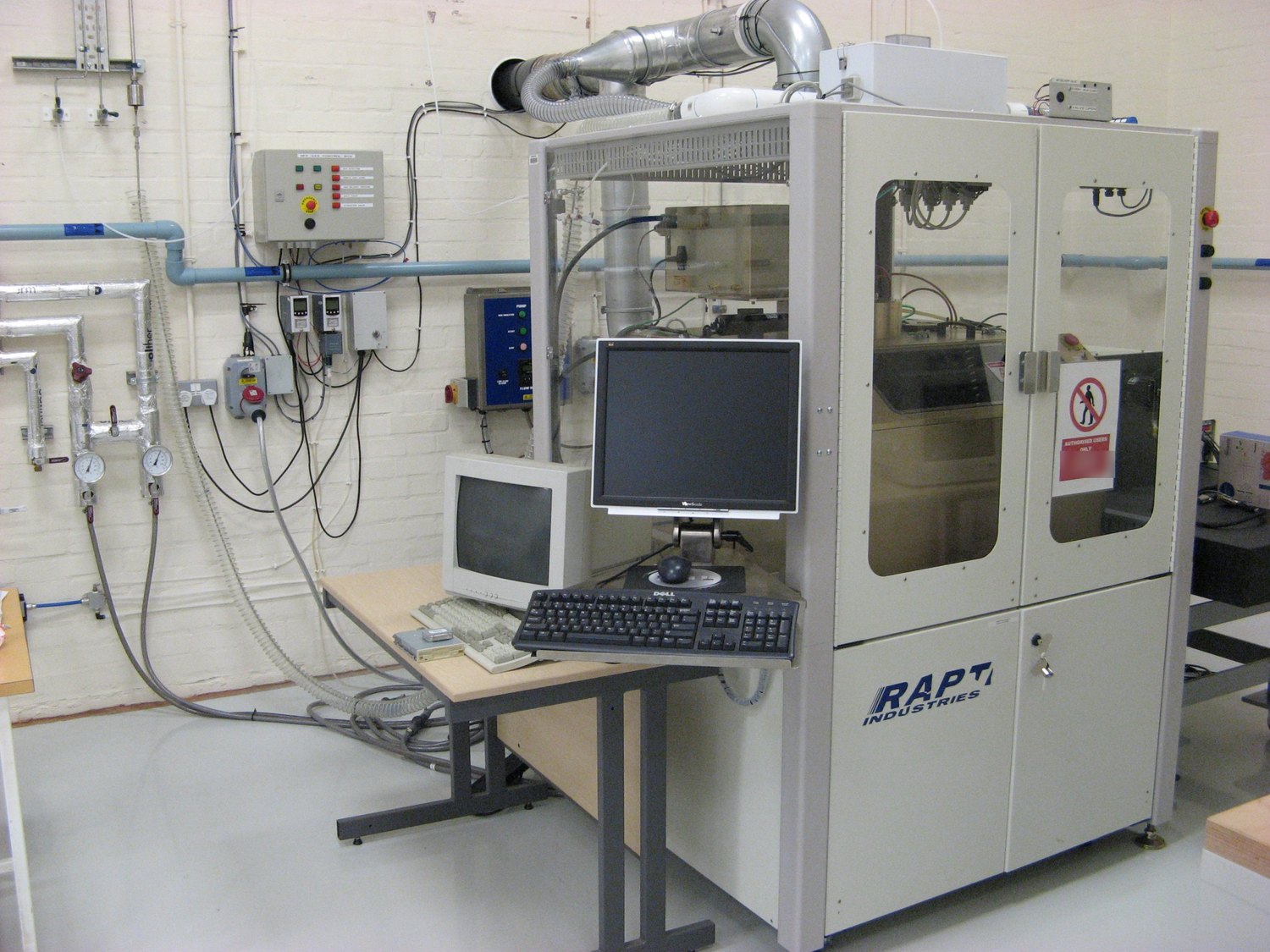
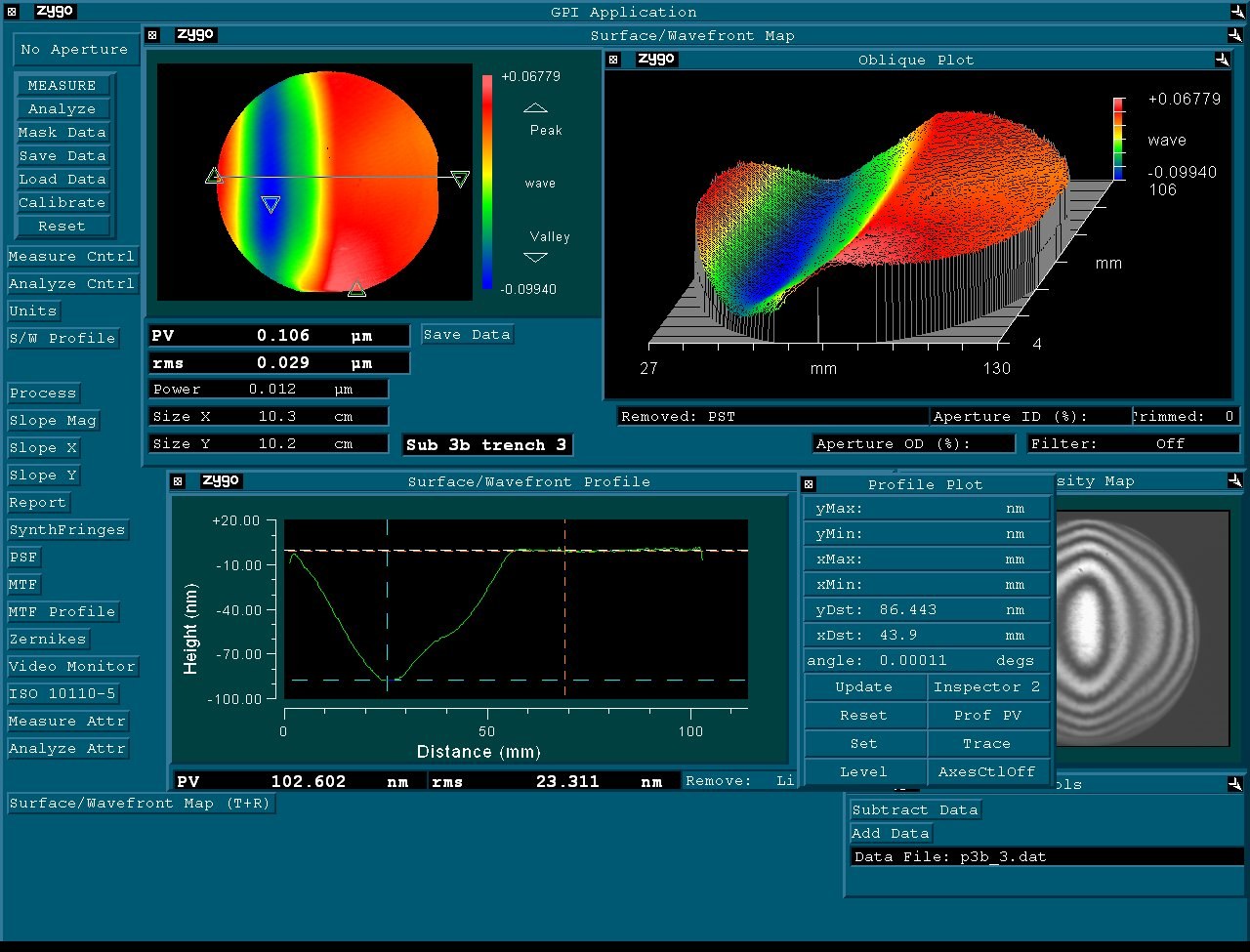
RAP stands for Reactive Atom Plasma: a plasma removes material from a surface, layer by layer, to bring it to the shape the optic needs.
The project showed the RAP 300 to be a viable technology within the industrial process chain, to finish medium to large optics at high process speed on a range of optical materials, for the large-telescope industry.
See also: gas distribution and vacuum for plasma sources, an example of the supporting laboratory systems.
Planning an experiment or a lab set-up? info@dataphysics.ae